HPV self-sampling
Women collect their own vaginal sample using a simple swab, often at home or in community settings. This reduces barriers related to distance, privacy, and clinic availability, especially for underserved populations.

Cervical cancer is almost entirely preventable when precancerous lesions are detected and treated early. Yet in low-resource settings, women face long delays, multiple visits, and limited access to accurate diagnostics — leading to late-stage diagnoses and unnecessary deaths.
To address these challenges, we use state-of-the-art screening and triage tools that are proven, scalable, and adapted to low-resource settings:

Community talks about health issues including cervical cancer (CC).

At laboratory, lab technician performs HPV test on self-sample
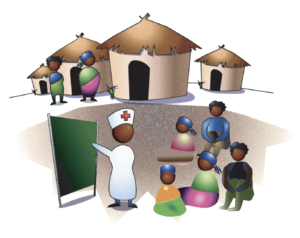
Community health workers inform about CC program during time limited campaign.
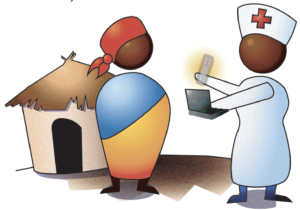
At home visit during screening campaign, woman self-collects a sample for HPV testing
Health worker carries self-sample registered on e-tablet
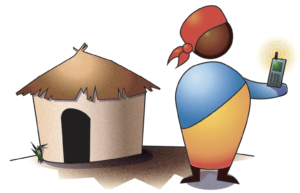
Patient gets notified by cellphone about HPV result

HPV-positive patient has an appointment at the clinic
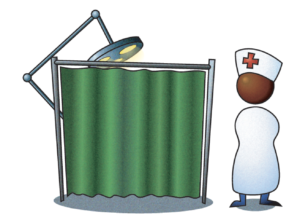
HPV-positive patient gets examined and, when necessary, treated

Patient has successfully completed the screening process

Department of Applied Tumor Biology
Institute of Pathology
Heidelberg University Hospital
Im Neuenheimer Feld 224,
69120 Heidelberg, Germany
Tel: +49 6221 56 4220
info@eticcs.org